March 17, 2026
The American Art Therapy Association represents a diversity of professionals, students, and organizations across the nation. We recognize and celebrate the work of our members at all levels through our Featured Member series.
For this profile, we talked to Sherry Warner, a private practice art therapist based in New Jersey. She also teaches at Rutgers University–Camden and Saint Joseph’s University, supporting the next generation of art therapists.
As an art therapist, what excites (or inspires) you most about your job right now?
What excites me most is facilitating play and sparking client curiosity and creativity.
If you were talking to a potential client about why art therapy is unique (or why it’s effective) what would you say?
People of all ages can participate in art therapy. Art therapy can be helpful for verbally resistance clients, it can help us express through the use of metaphor and symbolism, and build healthy connections to self and others through curiosity and play.
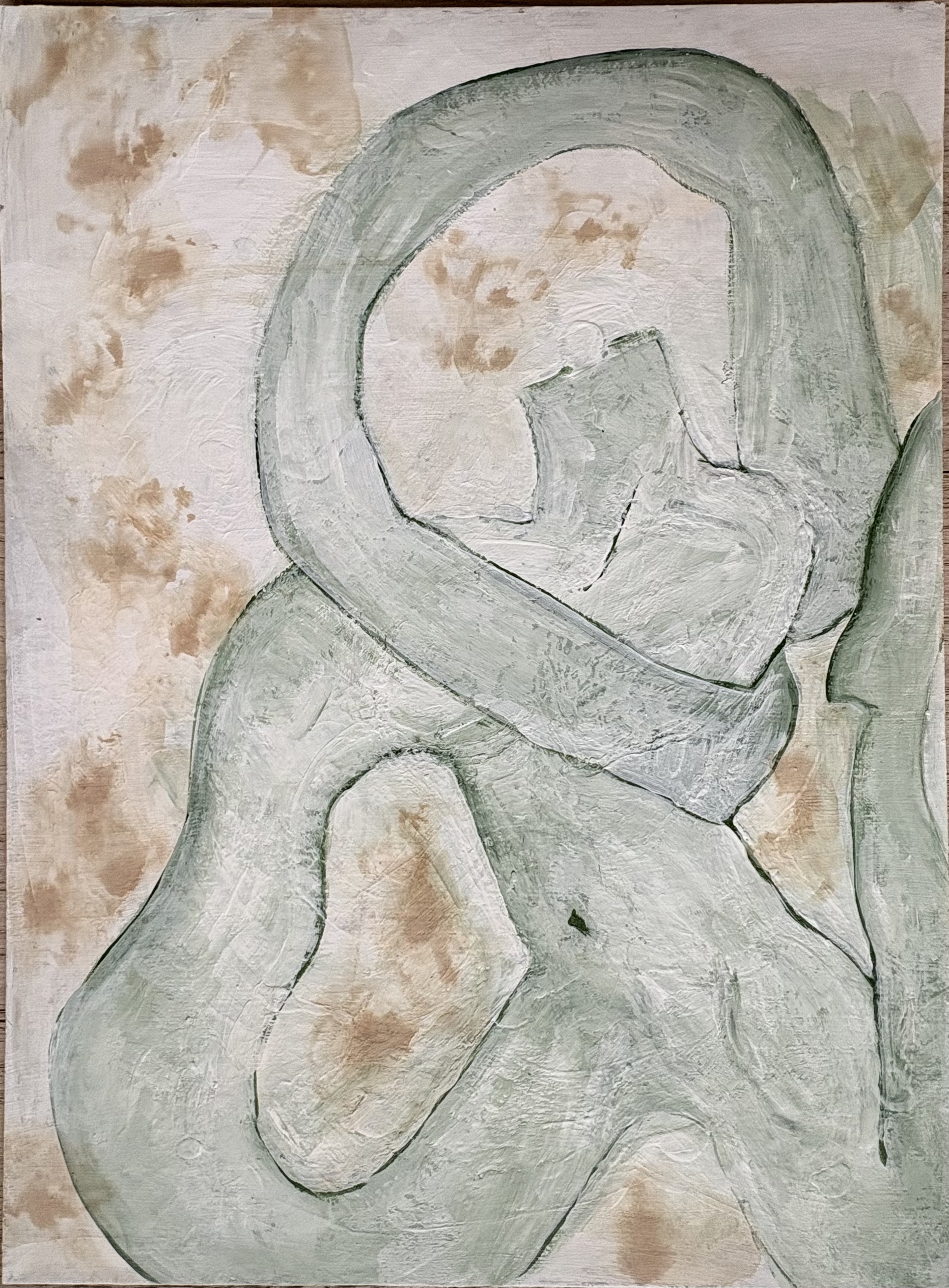
Twisted
Acrylic Paint mostly
2022/2023
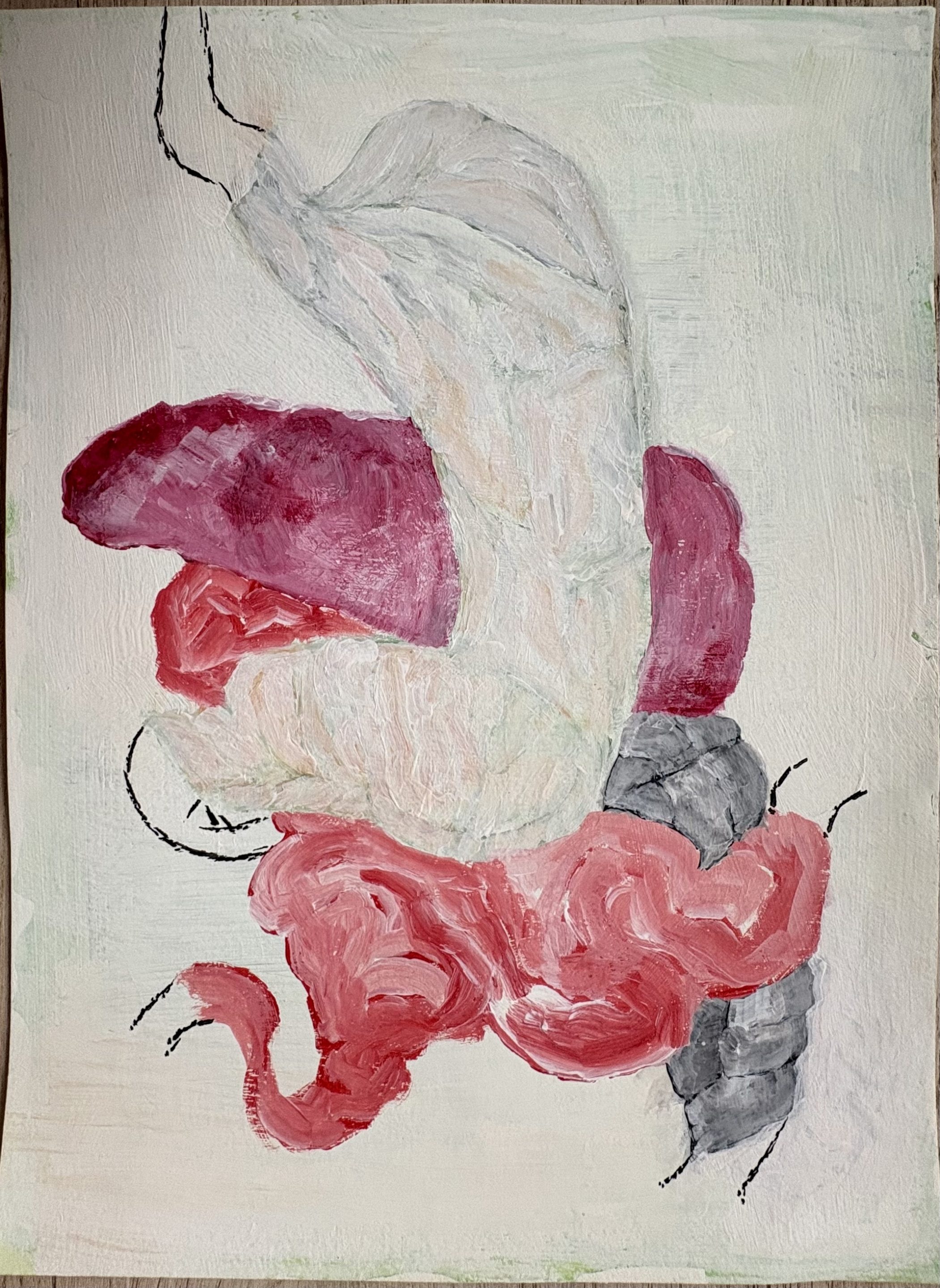
Body Stuff
Acrylic Paint mostly
2022/2023
Tell us about your average day as an art therapist.
My week consists of teaching at two universities (three days max) and four days in my private practice office. I work primarily with teens and adults. My days consist of interacting virtually and in person with students, families and individual clients in need. I balance taking notes, lesson planning and engaging in artistic and professional development opportunities. I am also always looking for creative resources for clients and students to actively participate in as well as those I may want to attend with my family.
What advice would you give to someone interested in becoming an art therapist?
The advice I would give is to continue actively engaging in personal creative expression and get plenty of clinical supervision!
“People of all ages can participate in art therapy. Art therapy can be helpful for verbally resistance clients, it can help us express through the use of metaphor and symbolism, and build healthy connections to self and others through curiosity and play.”
— Sherry Warner, MFA, MA, ATR-BC, LPAT, ATCS
What are your hopes for the future of the profession?
My hope is that one day there will be a more uniform and simplified credentialing processes (e.g. licensure) and an active attempt to reduce financial burdens on becoming an art therapist. In association with this would be providing more grants and scholarship opportunities in the field to up and coming art therapists as well as those actively practicing.
About Sherry Warner, MFA, MA, ATR-BC, LPAT, ATCS
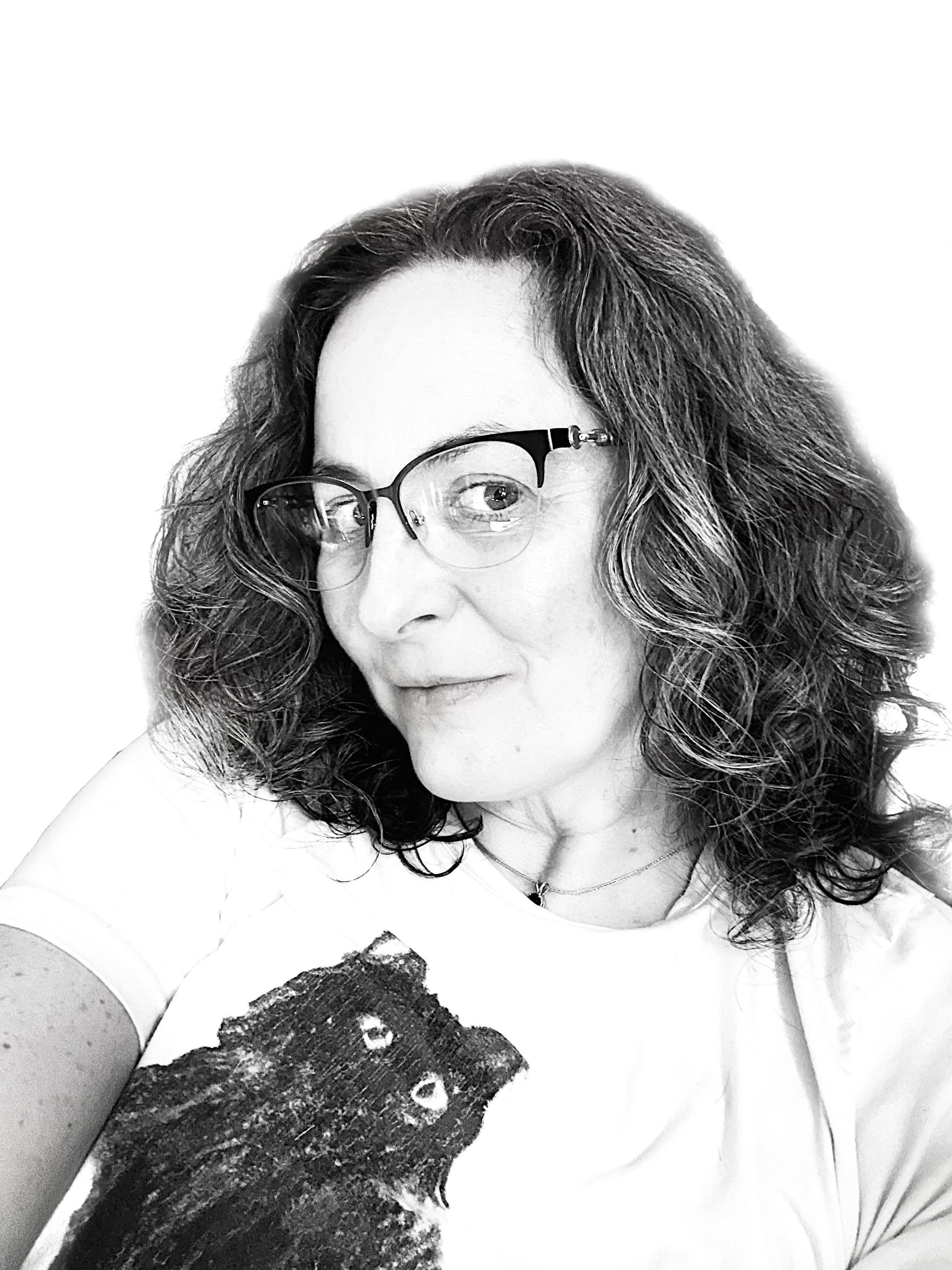
I have spent my entire life engaging with the arts in one form or another. My family has a number of teachers in it and my mother and father are both creatives. As a teen I worked at art camps and practiced ongoing creative collaborations with peers and teachers. In undergraduate studies at Muhlenberg College I went on to pursue a fine arts degree in Photography with a minor in Sociology. I then taught darkroom photography and Art Appreciation classes in higher education for about five years before shifting to the field of creative arts in therapy through Drexel’s program.
In general I find the themes of psychology of artistic expression and artists to be fascinating. My journey as an Art Therapy Masters student was three years due to birthing my daughter in my last year of graduate school at Drexel. I’d like to think she got a good solid year of therapy schooling in while in utero. 🙂
While studying to be an Art Therapist I worked in a variety of institutions such as a behavioral school, state psychiatric hospital and at a chemical dependency boarding facility for teens. After being in the field for about seven years I decided to open my own practice and go back to teaching in higher education in the fields of Psychology and Art Therapy. I currently teach at Rutgers University-Camden and St. Joseph’s University, and I am an active participant in my own clinical supervision and management of stress through various creative opportunities. I also work for Twist Out Cancer, a fantastic organization based out of Philadelphia, where I am able to use my creative and teaching expertise to support folks going through cancer survivorship, by providing therapeutic art making groups throughout the year.