April 8, 2026
Session 1: Tuesday, April 14 – Relational Cultural Supervision in Art Therapy: Power, Context, and Creative Reflection
Session 2: Wednesday, April 22 – Arts-Based Supervision: Supporting Development and Professional Identity in Student and Early-Career Art Therapists
Session 3: Tuesday, April 28 – Shifting the Lens: Supervising Seasoned Professionals
$55 per session (AATA Members) or $138 for the full series
Register Attendees may earn up to 6 CE credits — 2 per session
Not an AATA Member? Learn more about Membership
As art therapists face unique developmental challenges throughout their careers, supervision can guide us through different phases of professional development.
AATA’s 2026 Supervision Series, Toward a Lifespan Framework for Art Therapy Supervision: Integrating Relational–Cultural, Ecological, and Developmental Models, provides practical strategies and hands-on approaches in three areas: arts-based supervision to help early-career clinicians build confidence and professional identity, relational-cultural supervision to understand the impact of power, identity, and context within supervisory relationships; and reflective, collaborative supervision for seasoned professionals to foster ongoing growth, generativity, and professional renewal.
Register for one session or the full series today!
About the Sessions
Session 1: Relational Cultural Supervision in Art Therapy: Power, Context, and Creative Reflection
Tuesday, April 14, 2026, 7pm ET | Register Here
Speaker: Diana Wallace, LPCC-S, LPAT, ATR-BC
Session one explores the intersections of power, relational competencies, and creativity within Relational Cultural Supervision (RCS) in art therapy practice.
Participants will examine how ecological and multisystemic contexts, including culture, identity, power, and privilege, influence supervisee development and supervisory relationships. The presentation introduces core RCS practices that support relational, multicultural, and social justice competencies in supervision. Through discussion and experiential engagement with response art, participants will explore art-based supervisory approaches that support reflective practice, case conceptualization, and awareness of stress, transference, and countertransference. The session also clarifies distinctions between supervisory teaching and consultation roles to strengthen culturally responsive and relationally attuned supervision practices.
Learning Objectives
Participants will be able to:
1. Identify at least three core practices of Relational Cultural Supervision (RCS) that support supervisee relational and developmental growth.
2. Describe how ecological and multisystemic factors influence supervisee development, including the roles of culture, power, and social context.
3. Apply response art as a supervision strategy to support reflective practice, including case conceptualization and exploration of stress, transference, and countertransference.
4. Differentiate between supervisory teaching and consultation roles within culturally responsive supervision.
Session 2: Arts-Based Supervision: Supporting Development and Professional Identity in Student and Early-Career Art Therapists
Wednesday, April 22, 2026, 7pm ET | Register Here
Speaker: Dr. Danielle Moss DAT, ATR-BC, LPC, ATCS, NCC
Session two focuses on practical ways to use arts-based supervision to support the growth of students and early-career art therapists. Drawing on the principle that “images do the heavy lifting,” participants will explore how structured artmaking can deepen insight, foster reflection, and strengthen professional identity beyond verbal discussion alone.
It provides strategies for helping supervisees build confidence, tolerate ambiguity, and develop a strong professional identity. Structured, responsive interventions—such as progression art to track growth, response art to process clinical experiences and countertransference, and other creative exercises—encourage reflexivity, ethical awareness, and self-understanding.
The session also highlights how to connect supervisees’ creative processes to lived experience, meaning-making, and relational, cultural, and systemic contexts. By the end, attendees will be equipped to design supervision experiences that are reflective, embodied, and identity-affirming—using imagination and artmaking as tools to support insight, growth, and professional development in alignment with the core values of art therapy.
Learning Objectives
Participants will be able to:
1. Assess predictable developmental characteristics of new-to-early-career art therapists.
2. Apply progression art as a supervisory intervention for reflective growth.
3. Examine how response art supports art therapists’ professional identity development.
4. Name at least three arts-based supervision activities for use in art therapy supervision.
5. Apply phenomenological philosophy to art therapy supervision.
Session 3: Shifting the Lens: Supervising Seasoned Professionals
Tuesday, April 28, 2026, 7pm ET | Register Here
Speaker: Dr. Margaret Carlock, ATCS, ATR-BC, EdD, LCAT
Supervision strategies and models often need to change when engaging with art therapists in the later part of their careers. Effective supervision of seasoned professionals often requires a more collaborative approach. During this session, the presenters will explore reflective supervision practices through discussion and art making. Their goal is to identify helpful strategies that can support continued professional growth along a shared supervision journey.
Learning Objectives
Participants will be able to:
1. Describe two developmental characteristics of late-career art therapists.
2. Identify the supervisory shift from consultation to mentorship.
3. Apply relational-cultural principles to generative supervision.
About the Speakers
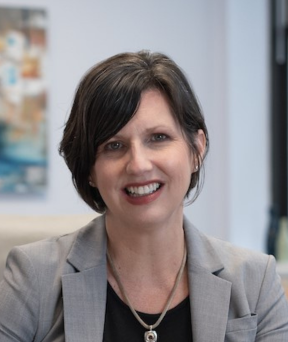
Kathryn Snyder, MA, ATR-BC, LPC, PhD
Supervision Series Moderator
Dr. Snyder is a board-certified art therapist, licensed professional counselor, and founder of Parent to Child Therapy Associates and Spark School-Based Art Therapy in Philadelphia. With over 20 years of clinical experience, she specializes in integrative mental health care for children, young adults, and families, emphasizing early intervention for developmental, emotional, and learning challenges.
Dr. Snyder is a board-certified art therapist, licensed professional counselor, and founder of Parent to Child Therapy Associates and Spark School-Based Art Therapy in Philadelphia. With over 20 years of clinical experience, she specializes in integrative mental health care for children, young adults, and families, emphasizing early intervention for developmental, emotional, and learning challenges.
She also serves as the Treasurer for the AATA Board of Directors.
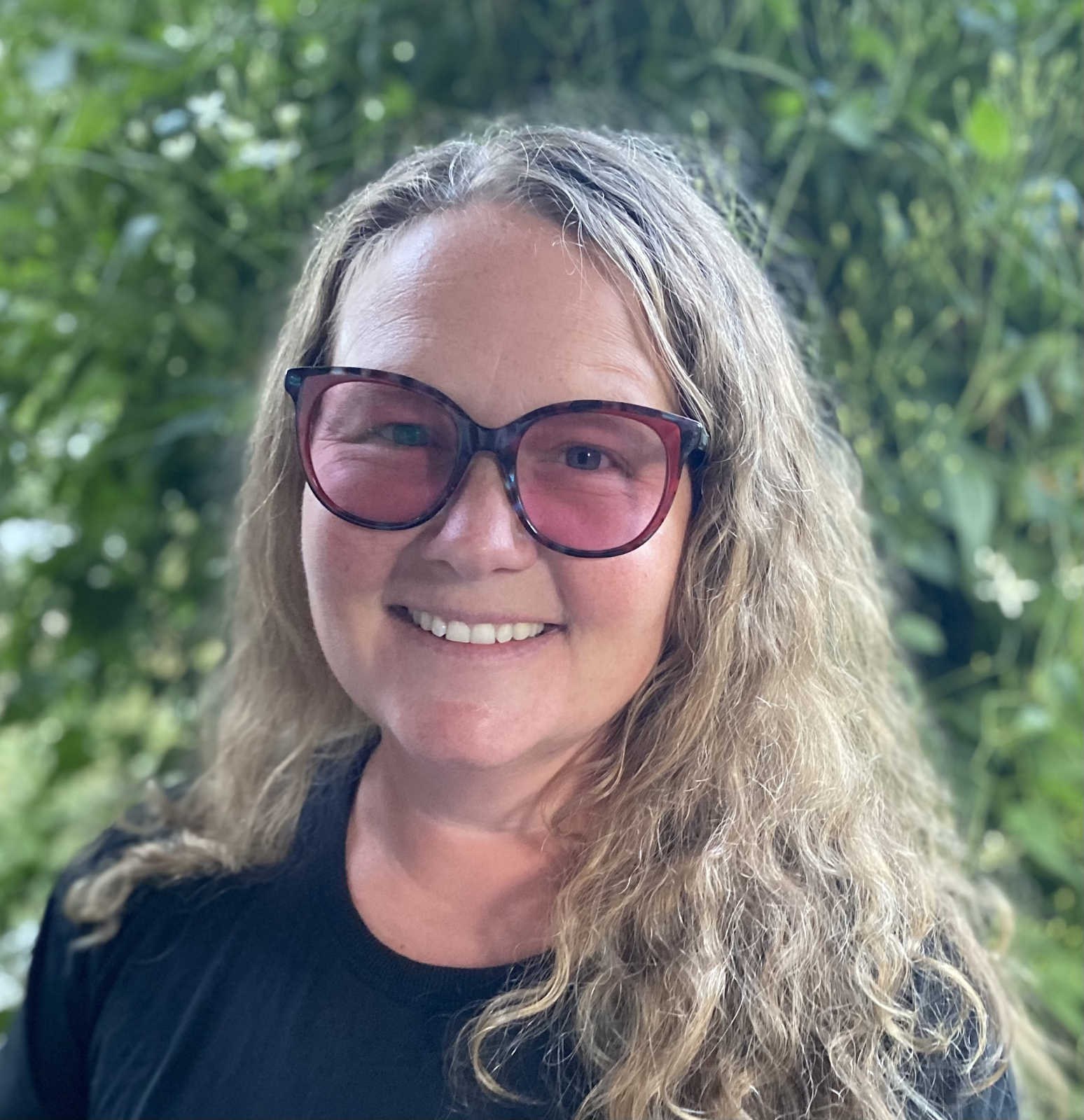
Danielle Moss, DAT, ATR-BC, LPC, ATCS, NCC
Session 2: Arts-Based Supervision: Supporting Development and Professional Identity in Student and Early-Career Art Therapists
Dr. Danielle Moss is a registered and board-certified art therapist and licensed professional counselor in Pennsylvania. She teaches and supervises graduate interns in art therapy and brings extensive clinical experience working with children, families, and diverse community settings. Her work is grounded in systems theory, psychodynamic and humanistic approaches, and evidence-based cognitive behavioral therapy. Dr. Moss has developed art therapy programs across community health centers, senior care, private practice, and outreach organizations. Her research focuses on art therapists’ professional identity development, particularly the transition from graduation to board certification. She is actively committed to advancing state licensure for art therapists through professional advocacy.
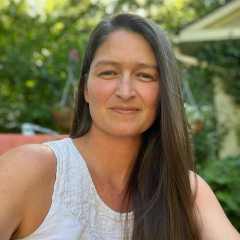
Diana Wallace, LPCC-S, LPAT, ATR-BC
Session 1: Relational Cultural Supervision in Art Therapy: Power, Context, and Creative Reflection
Diana is a full-time faculty instructor and clinical supervisor in the graduate program for Professional Counseling and Art Therapy at Ursuline College and is currently a doctoral candidate in Counselor Education and Supervision (CES) at Walden University. Diana has over 16 years of clinical experience and 8 years of clinical supervisory experience providing art therapy and individual, group, and family psychotherapy, emphasizing the competent treatment of diverse, marginalized populations. Diana’s primary clinical practitioner focus has been within community mental health settings, treating complex trauma. RCT applications, projective assessments, and multicultural and ecologically focused art-based supervision are her main areas of interest within teaching, supervision, research, and advocacy.
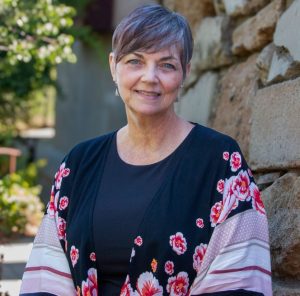
Margaret Carlock, ATCS, ATR-BC, EdD, LCAT
Session 3: Shifting the Lens: Supervising Seasoned Professionals
Dr. Carlock is an art therapist with over 28 years of experience working with individuals and groups. Much of her career has been focused on increasing accessibility to art therapy services to the public and creating creative arts based programs in a wide variety of settings, including schools, after school programs, day programs, community based mental health, memory care, assisted living.
Most recently, she developed Chroma Soul Arts, an organization focused on providing community groups, workshops, and retreats, for individuals seeking social connection, self-care, and wellness based creative arts opportunities. She is an experienced art therapy and expressive arts therapy educator, with more than 23 years of teaching and directing higher education programs.