
April 27, 2026
Ethical practice in art therapy is more than risk management — it is a living, relational process shaped by clinical relationships, cultural context, and the systems art therapists work within. AATA’s 2026 Ethics series, Relational and Resilient Ethics in Art Therapy Practice Perspectives on Positive Ethics, Sociopolitical Awareness, and Professional Responsibility, examines what it means to practice ethically across a career, drawing on positive psychology, ethical theory, and art therapy values to build frameworks that are both principled and adaptive.
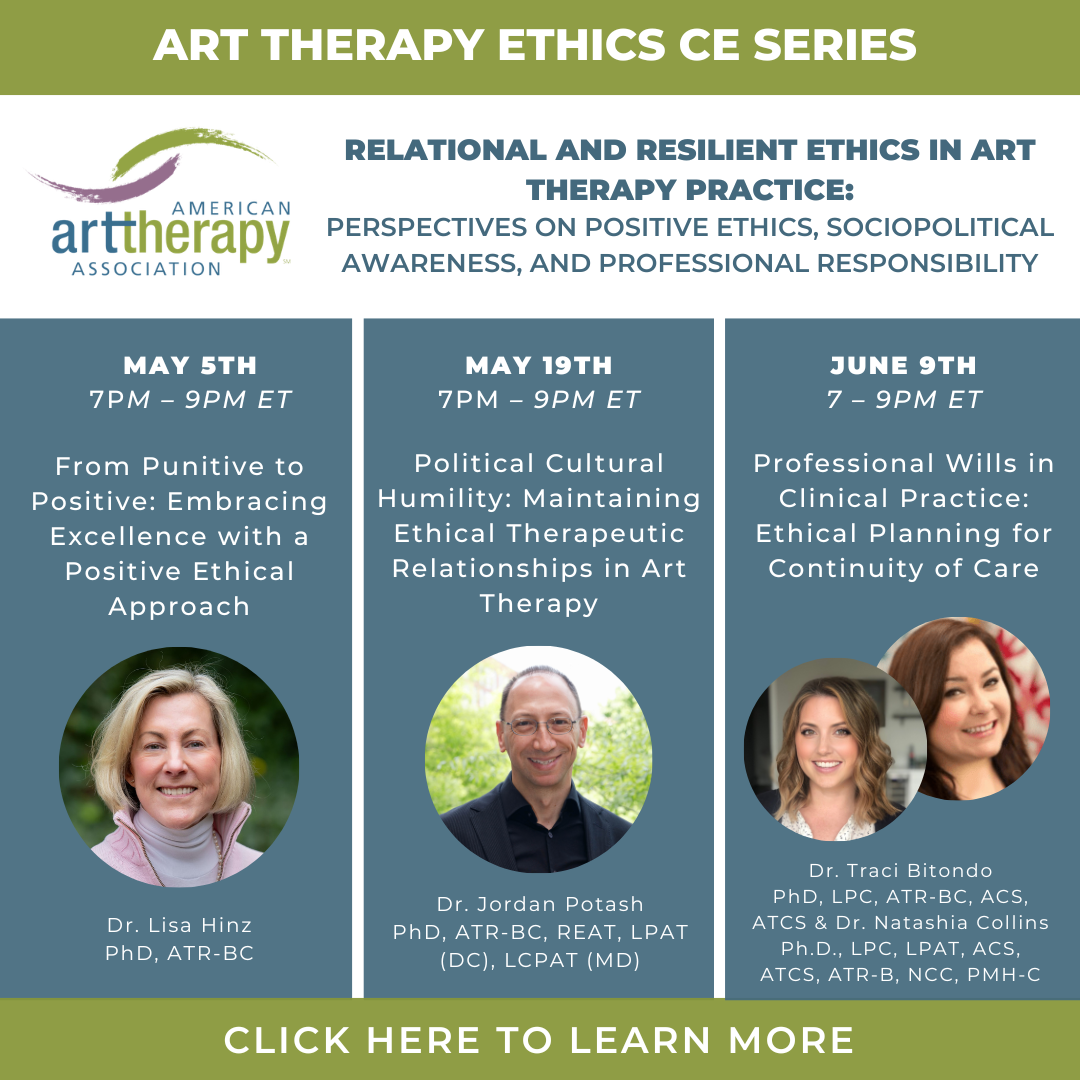
This series is targeted to Board-Certified Art Therapists (ATR-BCs) seeking to fulfill ethics continuing education requirements; everyone is welcome! Each session focuses on a distinct dimension of ethical competence:
- Strengths-based approaches to ethical decision-making,
- Navigating sociopolitical dynamics in the therapeutic relationship
- Sustaining professional responsibility through unexpected absence and transition
Though designed to stand alone, the sessions are united by a commitment to cultural humility and ongoing reflection. Participants will leave with concrete strategies for maintaining ethical alignment in an increasingly complex professional landscape.
Individual sessions are $55 for AATA members or $80 for non-members, and you can save by registering for the full 6 CE Credit bundle ($138 for Members/$210 for non-members).
Not an AATA Member? Learn more about Membership
About the Sessions
Session 1: From Punitive to Positive: Embracing Excellence with a Positive Ethical Approach
May 5, 2026, 7pm ET | Register Here
Presenter: Dr. Lisa Hinz, PhD, ATR-BC
In the current world, where people are focused on what is right and wrong and who is right or wrong (for me or against me), the positive approach to ethics reduces this mindset as we tackle difficult ethical questions. No one need be “wrong” we are all just trying to be the best that we can be.
This presentation explores a transformative shift from a punitive, “risk management” approach to ethics toward a strengths-based alternative rooted in positive psychology. Dr. Hinz will examine practical strategies for encouraging ethical behavior through empowerment, with an emphasis on promoting excellence in self as a pathway to stronger client and institutional outcomes — while reducing burnout and improving overall clinical practice.
Attendees will gain insights into cultivating resilience, creativity, and trust, and leave with a positive ethical framework that supports well-being and integrity across diverse professional contexts.
Learning Objectives
Participants will be able to:
1. Explain the differences between risk management and positive ethical approaches, including their impact on outcomes in professional settings.
2. Identify key principles of a strengths-based, positive ethical framework.
3. Apply practical strategies to foster ethical behavior, resilience, and trust in art therapy practice.
Session 2: Political Cultural Humility: Maintaining Ethical Therapeutic Relationships in Art Therapy
May 19, 2026, 7pm ET | Register Here
Presenter: Dr. Jordan Potash, PhD, ATR-BC, REAT, LPAT (DC), LCPAT (MD)
Politics have always been a significant factor in client wellbeing as social policies determine access to healthcare, assurances of equity, and participation in elections.
Within the United States, one of the factors that makes our current times unique is the way in which political opinions and political party affiliations have morphed into political identities. Political identities often do more than just describe perspectives or how one might vote but include which news and social media to follow, who to socialize with, and who to trust. Political polarization threatens democracies on the societal level and disrupts relationships on the interpersonal level.
Both clients and art therapists are shaped by these forces. A particular challenge is how to sustain therapeutic alliances across divides – actual or perceived. To uphold the ethical responsibility to treat all clients, art therapists can learn frameworks rooted in cultural humility and integrated with family therapy, systems theories, and civic dialogue processes. By replacing judgment and assumption with curiosity and compassion, art therapists can successfully navigate politics to understand client experiences, maintain secure therapeutic relationships, and remain focused on treatment objectives.
Learning Objectives
Participants will be able to:
1. Define 2-3 ethical perspectives for managing politics in art therapy.
2. Identify 2-3 frameworks for managing political conversations in art therapy.
3. Synthesize 2-3 strategies to navigate political cultural humility in art therapy therapeutic relationships.
Session 3: Professional Wills in Clinical Practice: Ethical Planning for Continuity of Care
June 9, 2026, 7pm ET | Register Here
Presenter: Dr. Traci Bitondo, PhD, LPC, ATR-BC, ACS, ATCS, and Dr. Natashia Collins, Ph.D., LPC, LPAT, ACS, ATCS, ATR-B, NCC, PMH-C
Unexpected illness, incapacity, retirement, or death can disrupt care and create serious ethical and practical challenges related to continuity of care, confidentiality, records management, client communication, and referral planning. For art therapists and other clinicians, these situations may also raise important questions about the handling, storage, and transfer of client artwork, art materials, and other practice-related responsibilities. This session introduces professional wills as a proactive strategy to safeguard clients, clarify professional responsibilities, and reduce risks tied to a clinician’s unexpected absence. Participants will learn the ethical obligations that underpin this practice, explore practical steps for creating a professional will, and leave equipped with tools to support continuity of care and client protection during unforeseen circumstances.
Learning Objectives
Participants will be able to:
1. Define the purpose of a professional will in clinical practice.
2. Identify ethical and practical considerations involved in continuity planning, including confidentiality, records management, client communication, referral planning, and artwork/materials when relevant.
3. Outline actionable steps for developing or revising a professional will for their professional setting.
About the Speakers
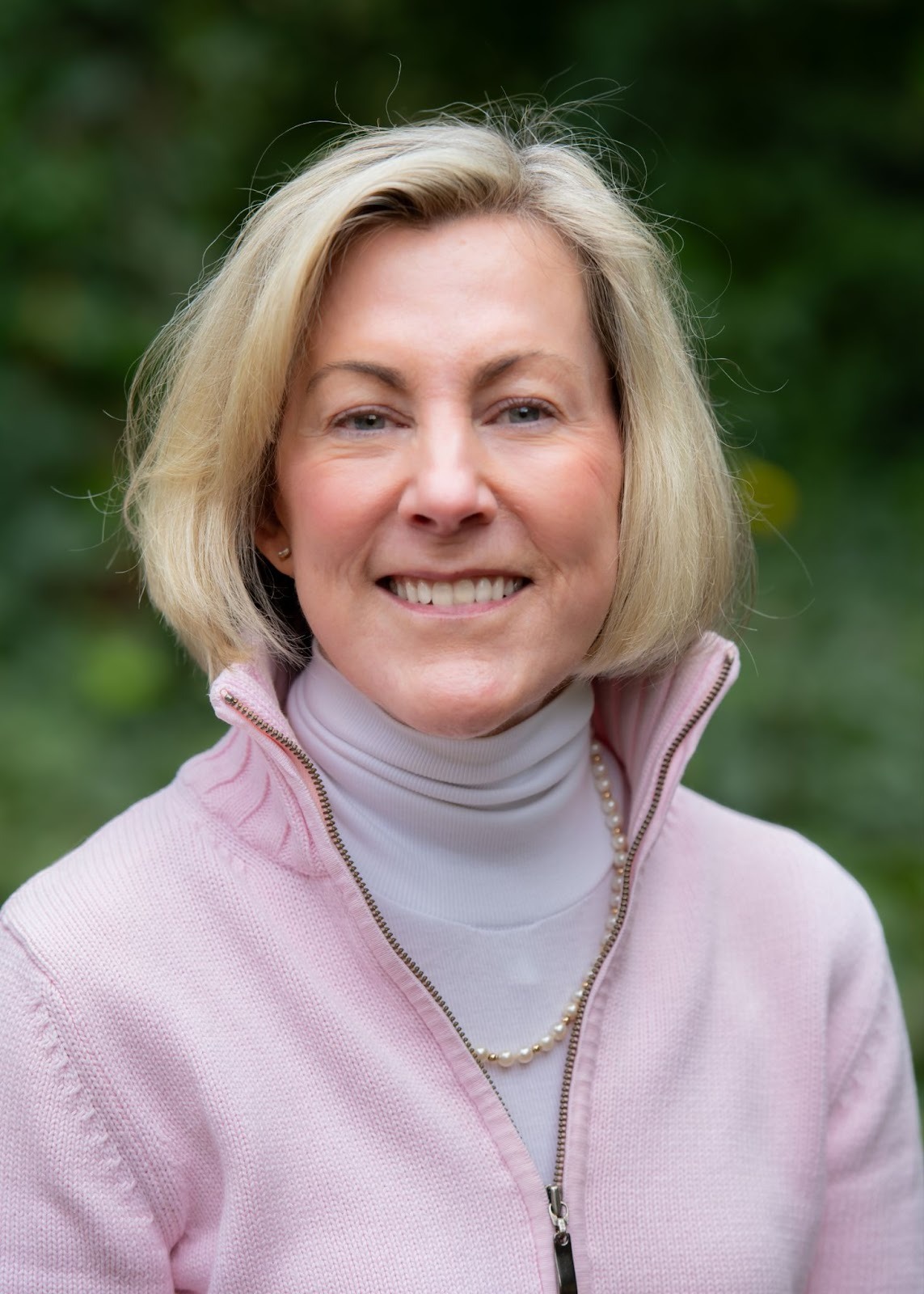
Dr. Lisa Hinz, PhD, ATR-BC
Session 1: From Punitive to Positive: Embracing Excellence with a Positive Ethical Approach
Dr. Lisa D. Hinz is a licensed clinical psychologist and board-certified art therapist with more than two decades of experience advancing the theory and practice of art therapy. She is an associate professor and director of the Art Therapy Psychology Doctoral Program at Dominican University of California in San Rafael. Dr. Hinz began her career in clinical psychology but discovered her passion for art therapy while supervising a master’s student at the University of Louisville Counseling Center.
This experience led her to earn a post-graduate certificate in art therapy in 1992, where she trained under Drs. Vija Lusebrink and Sandra (Kagin) Graves-Alcorn, co-creators of the Expressive Therapies Continuum (ETC)—a foundational framework for understanding the therapeutic power of art. A leading voice in the field, Dr. Hinz has authored numerous professional publications and three influential books, including Expressive Therapies Continuum: A Framework for Using Art in Therapy, now in its second edition (2020). Her scholarship reflects a deep interest in materials and methods in art therapy, and she has been teaching and writing about ETC theory for over 23 years. In addition to her academic leadership, Dr. Hinz maintains a private practice in St. Helena, California, specializing in the treatment of eating issues, substance abuse, and lifestyle medicine.
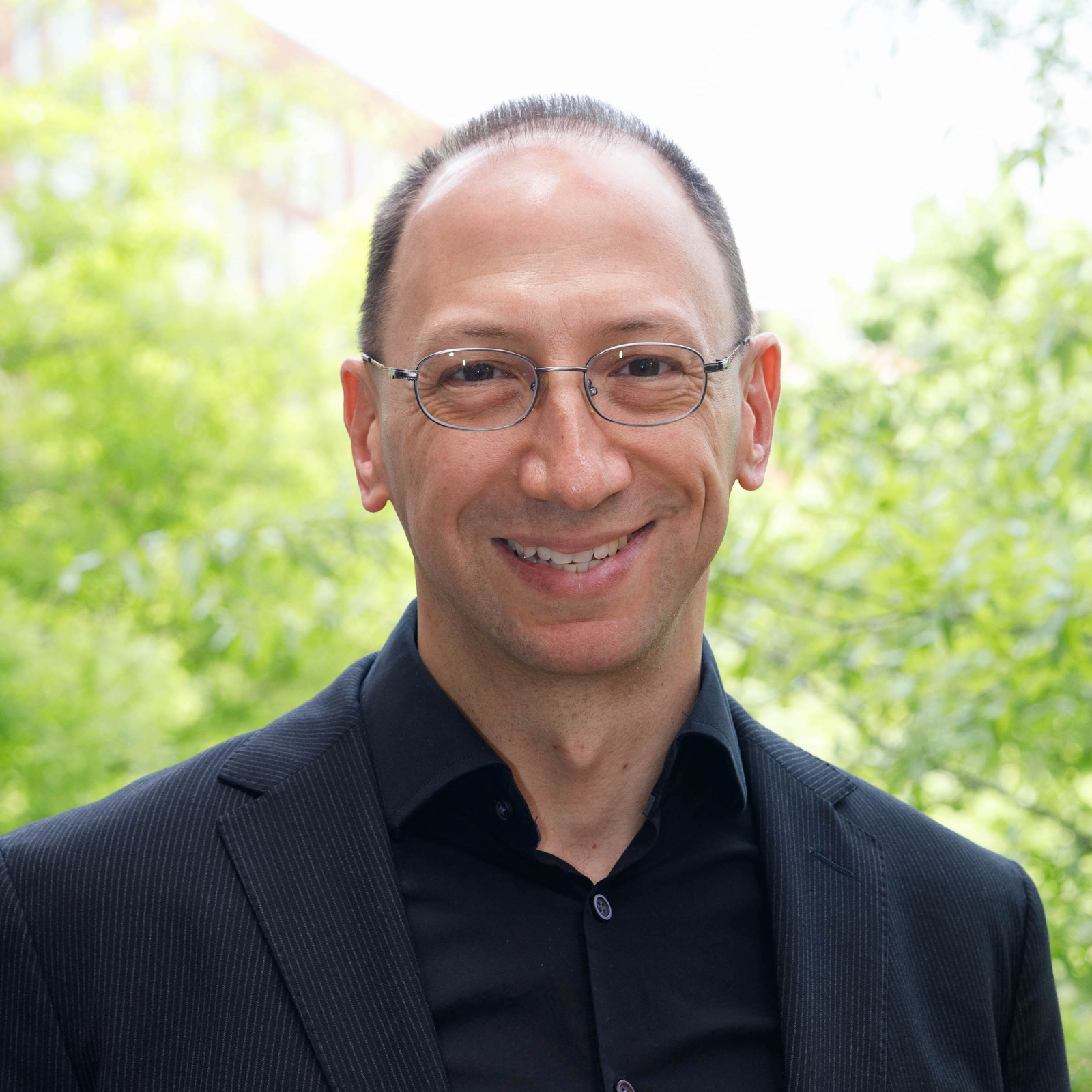
Dr. Jordan Potash, PhD, ATR-BC, REAT, LPAT (DC), LCPAT (MD)
Session 2: Political Cultural Humility: Maintaining Ethical Therapeutic Relationships in Art Therapy
Dr. Jordan S. Potash is an Associate Professor in the Art Therapy Graduate Program at The George Washington University in Washington, DC. As an art therapist for 25 years, Potash has worked with clients of all ages in schools, clinics, and community art studios.
His most recent client populations include adults experiencing homelessness and families managing grief. He is primarily interested in the applications of art therapy in the service of community development, social change, and peacebuilding. Potash has authored several articles and book chapters as well as presented at conferences, universities, and communities globally. In support of the art therapy profession, Potash served as Editor of Art Therapy (2019-2024) and led advocacy efforts for the passage and implementation of the DC Professional Art Therapist Licensure Amendment Act.
For more information, podcasts of past lectures, and his portfolio, please visit www.jordanpotash.com.
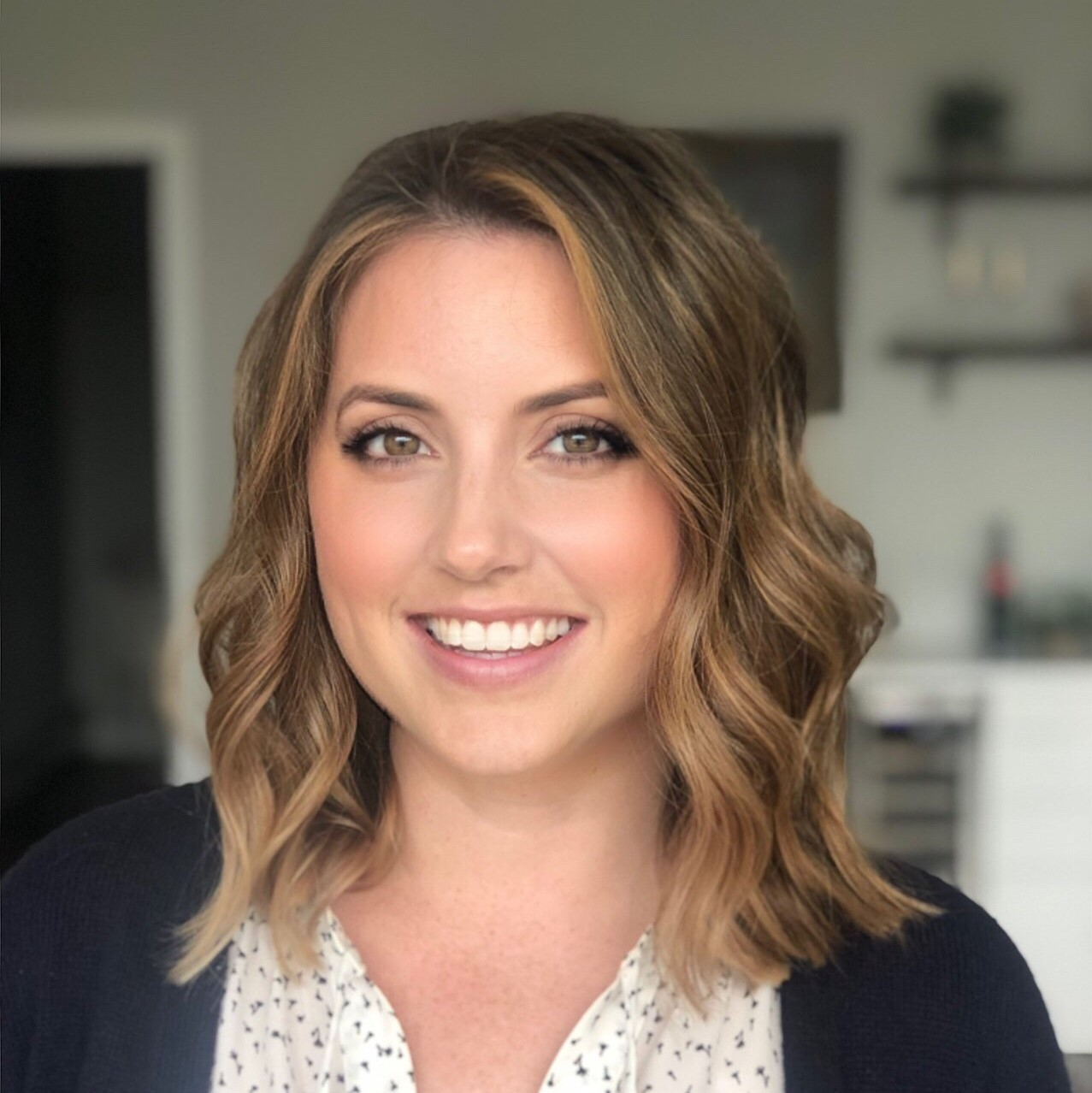
Dr. Natashia Collins, Ph.D., LPC, LPAT, ACS, ATCS, ATR-B, NCC, PMH-C
Session 3: Professional Wills in Clinical Practice: Ethical Planning for Continuity of Care
Dr. Natashia Collins is Core Faculty in the Clinical Mental Health Counseling program at Antioch University, where she also serves as Co-Coordinator of the Perinatal Mental Health Certificate Program. She holds a Master’s degree in Mental Health Counseling with a concentration in Art Therapy and a Doctorate in Counselor Education and Supervision. Dr. Collins has presented nationally and internationally on topics including professional disposition and identity development, ethics, supervision, perinatal mental health, and the clinical training and education of counselors and art therapists. In her private practice, she specializes in clinical supervision and women’s health, focusing on supporting individuals through developmental life transitions, particularly the perinatal period.
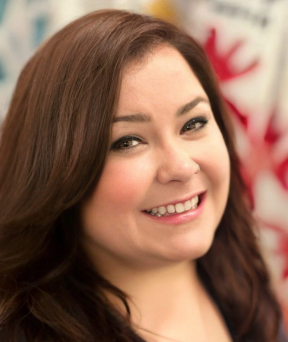
Dr. Traci Bitondo, PhD, LPC, ATR-BC, ACS, ATCS
Session 3: Professional Wills in Clinical Practice: Ethical Planning for Continuity of Care
Dr. Traci Bitondo is an Assistant Professor at Caldwell University, where she shares her expertise in Counseling and Art Therapy with future professionals. She holds a Master’s in Counseling, specializing in Art Therapy, and a Ph.D. in Counselor Education and Supervision. Honored with the 2022 Nancy Schoebel Legislative Service Award from the American Art Therapy Association and the NJ Counseling Association’s Edward Stroh LPC Award. Traci also led a research team recognized with the Rawley Silver Research Award. She is the immediate past President of the New Jersey Art Therapy Association and has presented nationally and internationally on trauma treatment, art therapy interventions for special populations, and clinical supervision.
She operates a Counseling and Art Therapy practice where she treats mental health clients, supervises emerging professionals, and advises on practice development. Her background includes working in diverse settings with clients facing severe mental illness, individuals in the vision loss and blind community, and providing in-home therapy to families in crisis.
Dr. Traci Bitondo serves as AATA President-Elect and a member of the Professional Affairs Committee (PAC).