
March 16, 2026
The American Art Therapy Association represents a diversity of professionals, students, and organizations across the nation. We recognize and celebrate the work of our members at all levels through our Featured Member series.
Today, we talked to Kirsten Eby, ATR-BC, LPC, an art therapist working in Phoenix, Arizona.
If you were talking to a potential client about why art therapy is unique, what would you say?
Art therapy gives clients a different way of thinking about the problem they are facing, and a method of communication that can break through ‘stuck’ feelings or ways of thinking. Explaining art therapy to adults often includes reassurances that art “skills” are not necessary and that the process of creation is where the healing happens, without judgement of the product or image that results.
Often with adolescents, the art offers a way for them to begin to engage in therapy without ‘opening up’ verbally to someone they do not know. The artwork gives them a way to have control and make choices and to explore feelings of safety and trust within the therapy relationship.
As an art therapist, what excites you most about your job right now?
I am excited to be in a profession that is constantly challenging me to improve my skills. Each position I have had has given me the opportunity to work with new populations of clients, use different theoretical foundations and continue to expand my understanding of how art can facilitate healing.
Has working with a particular client group shaped your professional focus or specialty?
Each group of clients has shaped me as a clinician. I have been honored to work with children and youth in a special needs school who taught me how universal visual communication can be, when verbal communication is not possible. I have worked with individuals in a forensic hospital who expanded my understanding of empathy and the capacity for good in all people. I enjoy working with anyone who wants to make a change in their life and is striving to do their best with the circumstances they have.
“Advocating for the profession is an important part of my professional identity and I believe it is important to do the work to benefit the art therapists who may want to work in Arizona in the future.”
— Kirsten Eby, ATR-BC, LPC
What are your hopes for the future of the profession?
I hope that art therapy continues to work to gain the respect it deserves through licensure and education to the public. I am excited to continue seeing the research that helps to explain the *magic* of art therapy in order to legitimize what we do as a social science.
In 2017, I volunteered with the Arizona Art Therapy Association to help pass a bill to ensure title protection for art therapists in Arizona. I am currently working with other art therapists in Arizona to explore the possibility of gaining licensure for art therapists in the state.
Advocating for the profession is an important part of my professional identity and I believe it is important to do the work to benefit the art therapists who may want to work in Arizona in the future.
What advice would you give someone interested in a career in art therapy?
I would advise someone to look into what licensure looks like in the state where they would like to live after school and really understand the time and financial commitment so it is not a surprise. I would recommend that they use the time in school to do as many internships as possible working with populations outside of their comfort zone to expand the opportunities for future employment.
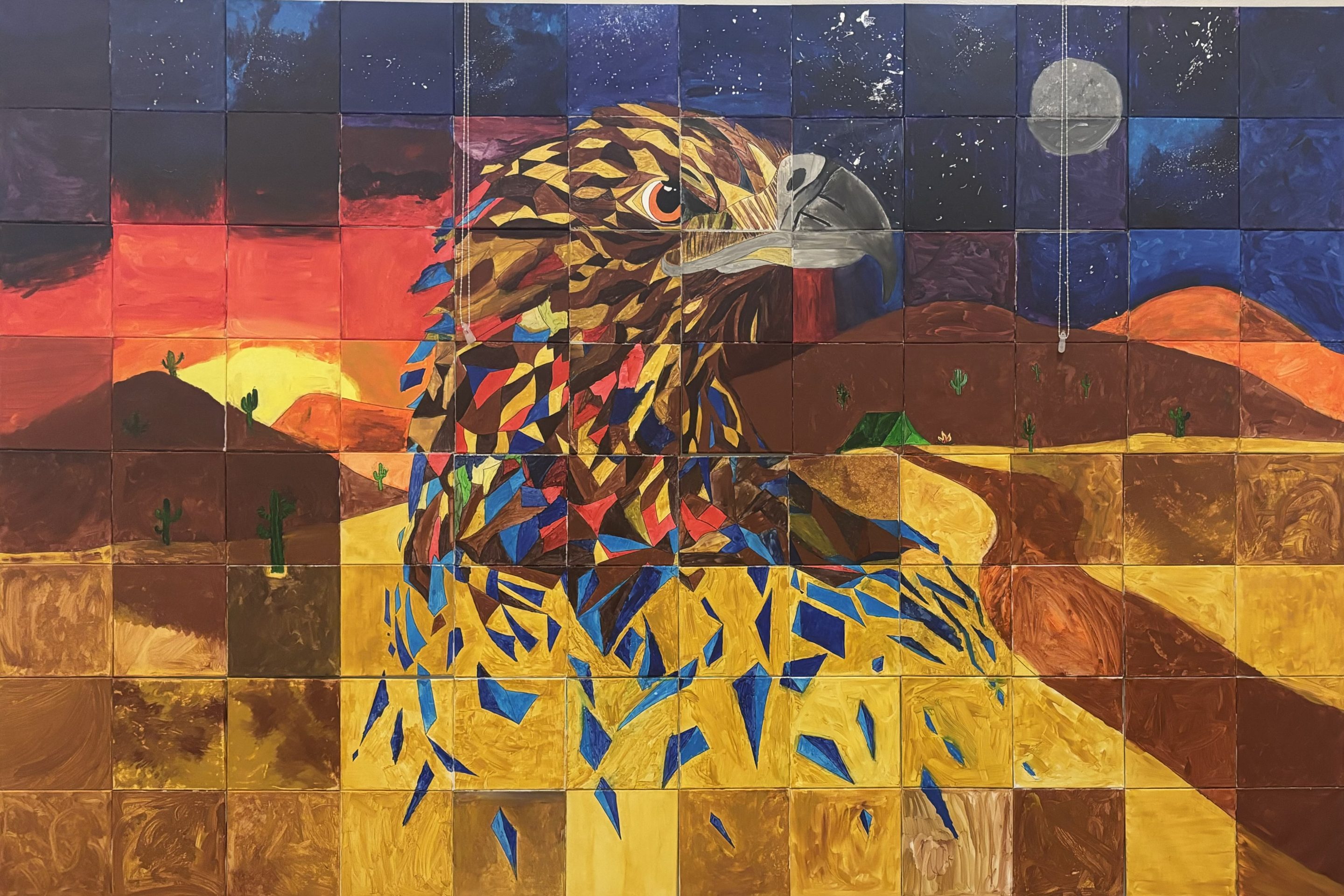
Spirit of an Eagle
This mural is a visual representation of the way the students at the ACES would describe their spirit. The painting was completed by 96 different students with each image in the composition representing a metaphor for part of their growth and progress. The mural was planned, designed and painted by students with support from the art therapist.
About Kirsten Eby, ATR-BC, LPC
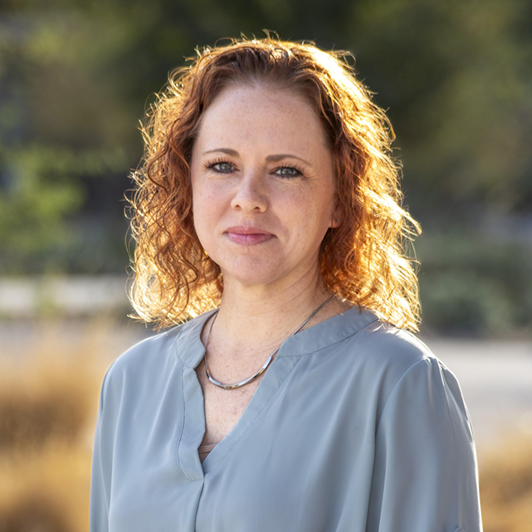
Kirsten Eby, ATR-BC, LPC, is an art therapist working in Phoenix, AZ. She started her career as an elementary teacher but after six years returned to grad school at Southern Illinois University, Edwardsville to pursue a masters in art therapy counseling.
After graduating in 2013, she has worked with children, adolescents and adults in a variety of settings. She is currently working in private practice with couples and adults, specializing in working with late diagnosed neurodivergent adults.